Florida · Bermuda Grass

Florida Bermuda Grass Care & Monthly Lawn Calendar

Decide how intensively you want to manage the lawn before chasing a golf-course cut. A home bermudagrass lawn can use a different height, mower and workload.

START HERE / THE PRACTICAL ANSWER

Three things to know.

Mowing
UF/IFAS gives 1–2 inches for low-to-moderate management. Lower cuts demand more maintenance.
Equipment
Fine-textured Bermuda below 1 inch generally calls for a reel mower.
Repair
Confirm the cultivar. Some are seeded; others are established with sod or sprigs.
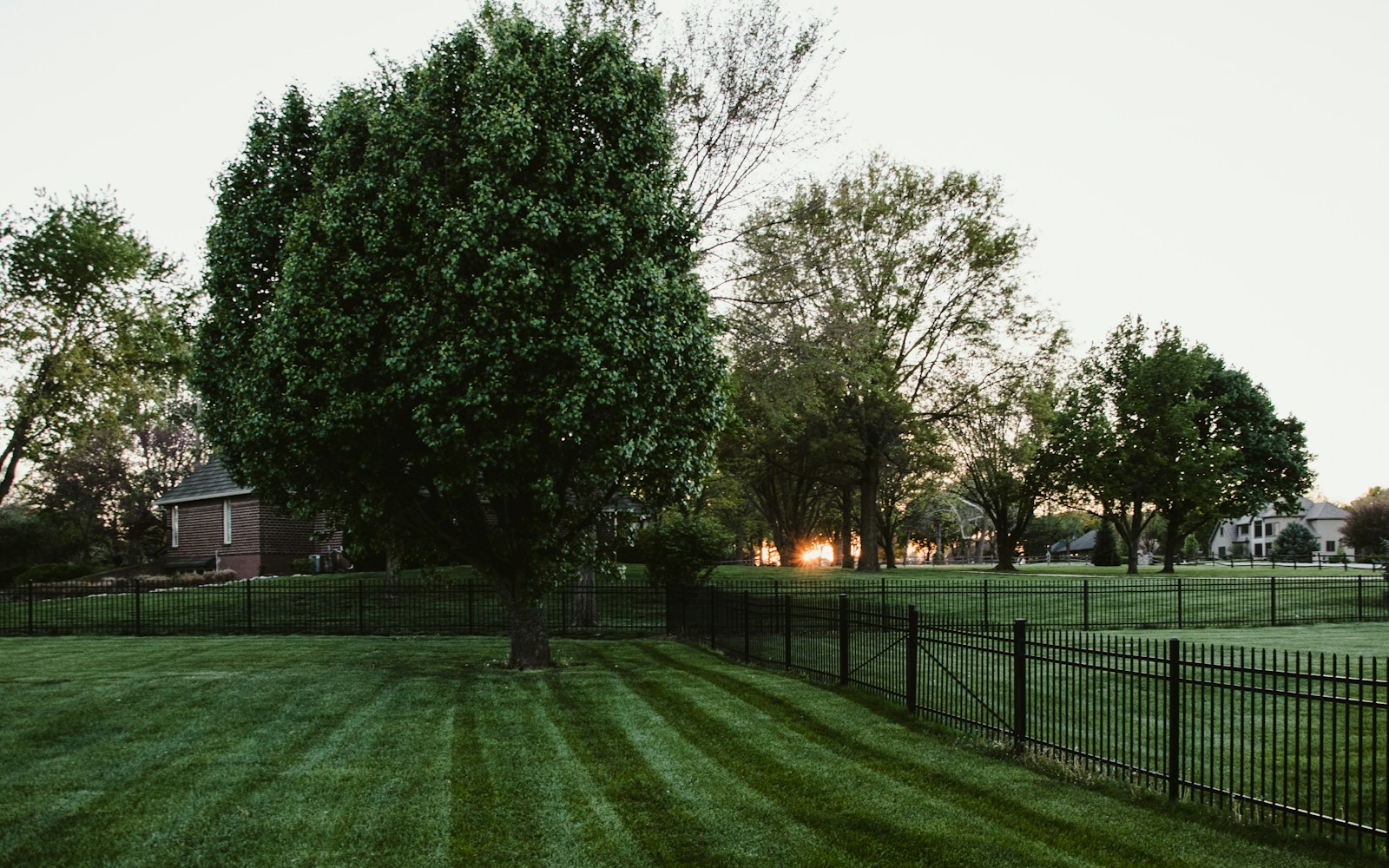
A lawn bordered by mature trees in evening light
A real garden setting. This photograph illustrates lawn care, not a particular state or grass species. Photo credits.

Know your grass and site

Bermudagrass is a warm-season grass with spreading growth. It suits sunny conditions better than heavy shade; cultivar and equipment affect how it should be maintained.

Make the plan fit Florida

UF/IFAS distinguishes Florida’s regions and establishment conditions. In north Florida, spring or early summer gives a repair more growing time before cool weather. South Florida’s longer season still does not remove the need to check rooting conditions and local restrictions.

Choose your next step

Check the cause before choosing the job
If you notice…Check firstNext step
The lawn scalps in uneven spotsMeasure the actual cut and locate bumps or depressions.Adjust the cut and maintenance approach before buying a more powerful mower.
Bermuda grows into a bedMark the boundary and inspect new growth regularly.Treat containment as a separate task from feeding the lawn.
You want to seed a thin patchIdentify the cultivar around the opening.Confirm that the seed will match rather than introducing a visibly different grass.

Mowing: check the actual cut

Choose a practical height that your mower can hold consistently. If the lawn grows beyond that setting between visits, increase mowing frequency. A low advertised mower setting does not prove it can deliver the finish a fine-textured lawn needs.

Water: measure before adjusting

During dry weather, compare the condition of the leaves with root-zone moisture and recent rainfall. A fixed summer timer can keep running after rain, and a new repair needs different attention from established turf.

Calculate lawn area or sprinkler runtime · Collect a useful soil sample

Avoid an unnecessary treatment

Avoid using a sports-turf nitrogen program as a home-lawn target. Write down the desired maintenance level first, then use the soil recommendation, local guidance and the current label to select inputs.

Use the patch diagnosis checklist before choosing a treatment.

ONLY IF IT HELPS WITH THE JOB

A small, useful toolkit.

Start with what you own. These links open Amazon searches, not a tested-product ranking. As an Amazon Associate, we earn from qualifying purchases. Affiliate disclosure.

Check access and working area

Measure gates and lawn area before comparing equipment.

Search Amazon: Outdoor measuring tape

Check water distribution

Test one zone at a time before lengthening irrigation.

Search Amazon: Irrigation catch cups

Mark the repair boundary

Keep a clear record of which patch is being repaired and protected.

Search Amazon: Garden marking flags

Compare tools for a different task

Common questions

Can a regular rotary mower produce a very low Bermuda cut?

UF/IFAS prefers a reel mower for fine-textured cultivars below 1 inch. Match the desired cut with suitable equipment and the time you can spend maintaining it.

Can I use one winter routine throughout Florida?

Observe your region and actual growth. A cool north Florida lawn and an actively growing southern lawn need different decisions.

Sources and regional limits

These references support the care principles and regional examples above. Use your local Extension office for cultivar, soil and treatment advice. Product labels and local restrictions take priority over a calendar reminder.

How this guide was prepared. No on-site inspection or product performance test is implied.

KEEP IT BY THE GARDEN DOOR

Your year at a glance.

Keep a one-page copy of this guide’s monthly checkpoints.

COAST TO COAST GRASSJANUARY - DECEMBER / REUSABLE EACH YEAR

Bermuda Grass in Florida

Record your part of Florida and cultivar. Check local fertilizer and irrigation rules before planning applications.

Before you start: Weather overrides the month. Repair during active warmth; reduce work as growth slows. Prepare water equipment before your first local freeze, even if earlier than shown.

  1. January

    Observe winter growth

    Record whether your Bermuda is active or dormant before planning work.

    Check: North and south Florida can differ.

  2. February

    Prepare for growth

    Confirm common or hybrid cultivar and suitable repair material.

    Check: A warm spell does not prove sustained green-up.

  3. March

    Watch green-up

    Compare growth across the lawn. Identify weeds before choosing a control method.

    Check: Delay disruptive work while the grass is still dormant.

  4. April

    Wait for steady growth

    Resume mowing as needed at a cultivar-suitable height. Inspect irrigation coverage.

    Check: Nitrogen and coring need suitable active growth, not a date.

  5. May

    Match repair material

    Use suitable seed, sod or sprigs for the existing cultivar during favorable growth.

    Check: Protect establishment and check rooting.

  6. June

    Use the growing window

    Mow by growth. Core compacted areas only if needed and the lawn can recover.

    Check: Avoid saturated or drought-stressed soil.

  7. July

    Match mowing to growth

    Compare your chosen cut with what the mower actually leaves.

    Check: A lower cut can require a different mower and more time.

  8. August

    Leave recovery time

    Inspect wear and thinning. Plan remaining repairs only if enough warm growing time remains.

    Check: Do not begin major work as growth is shutting down.

  9. September

    Reassess the season

    Reduce mowing frequency if growth slows. Review winter annual weeds and upcoming local restrictions.

    Check: Avoid late nitrogen that forces growth before cold weather.

  10. October

    Protect the leaf cover

    Clear heavy leaves and monitor moisture. Keep traffic off frosted turf where frost occurs.

    Check: Brown color may be dormancy; diagnose patches separately.

  11. November

    Adjust to the site

    If growth has slowed, reduce inputs. Winterize irrigation where freezing is expected.

    Check: In frost-free areas, follow continued growth and rainfall.

  12. December

    Keep a useful record

    Record this year’s green-up, repairs and water use. Inspect dry or repeatedly wet areas.

    Check: Do not assume every warm-season lawn is dormant now.

Sunny-site warm-season grass

Confirm common or hybrid cultivar and suitable repair material.

Cultivar and mower type set the cutting-height choice.

Use current local advice and product labels for treatments. New seed, sod and plugs need establishment care. This is a planning guide, not a monthly application schedule.

Sources: UF/IFAS: Bermudagrass for Florida Lawns · USDA: Land-grant university directory. Prepared September 24, 2026.

KEEP GROWING

A useful plan is one you can adapt. Return to your guide as the seasons change.

Find another lawn plan