Colorado · Kentucky Bluegrass

Colorado Kentucky Bluegrass Care & Monthly Calendar

For Colorado bluegrass, the first useful numbers are your actual mowing height and how evenly the sprinklers apply water. Start there before adding another treatment.

START HERE / THE PRACTICAL ANSWER

Three things to know.

Mowing
CSU’s preferred height is 2.5–3 inches. Avoid taking more than one-third of the leaf in a pass.
Water
Root depth, soil and exposure matter more than a fixed number of watering days.
Winter
Check exposed turf during dry spells; water only when the ground can accept it.
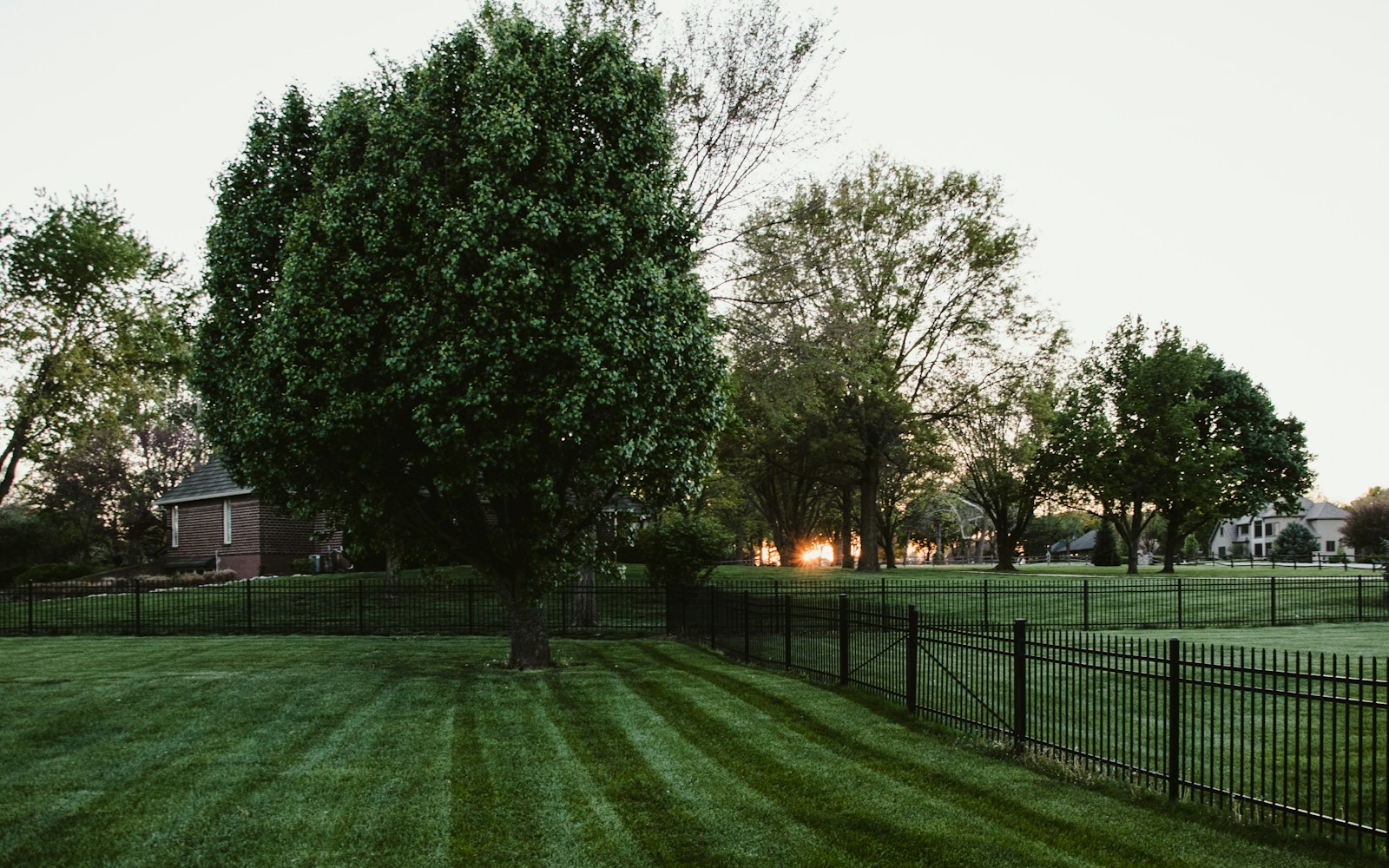
A lawn bordered by mature trees in evening light
A real garden setting. This photograph illustrates lawn care, not a particular state or grass species. Photo credits.

Know your grass and site

Kentucky bluegrass is a cool-season grass that spreads through underground stems called rhizomes. Heat and drought can slow growth or cause dormancy; a brown patch still needs diagnosis.

Make the plan fit Colorado

Keep separate notes for wind-exposed edges, shaded areas and slopes. Your irrigation zone may include several different conditions. For timing, use your local thaw and growing season rather than copying a date from a warmer part of Colorado.

Choose your next step

Check the cause before choosing the job
If you notice…Check firstNext step
Water runs down a slopeNote how long the system ran before runoff started.Shorten individual cycles and reassess infiltration instead of letting the same long run continue.
Turf is thin beside a pathCompare the worn area with adjacent turf under similar moisture.Investigate traffic and compaction before ordering seed or fertilizer.
Growth slows in hot weatherCheck soil moisture and reduce repeated wear.Do not treat slow growth as proof that the lawn needs more nitrogen.

Mowing: check the actual cut

Measure the finished grass height in several spots after mowing. A numbered deck position can differ from the actual cut, especially on uneven ground. Save the result with the mower setting so the next person mowing can repeat it.

Water: measure before adjusting

Run a short catch-cup test and include every reading, including empty cups. Then check how far the water entered the soil. An average alone can conceal a dry edge beside an overwatered section.

Calculate lawn area or sprinkler runtime · Collect a useful soil sample

Avoid an unnecessary treatment

CSU distinguishes deep, damaging power raking from core cultivation. Diagnose the thickness of thatch and the location of compaction before renting equipment. For a whole lawn, compare a core-aerator rental or service with the effort of a hand tool.

Use the patch diagnosis checklist before choosing a treatment.

ONLY IF IT HELPS WITH THE JOB

A small, useful toolkit.

Start with what you own. These links open Amazon searches, not a tested-product ranking. As an Amazon Associate, we earn from qualifying purchases. Affiliate disclosure.

Find uneven coverage

Use matching containers or graduated catch cups across a single zone.

Search Amazon: Irrigation catch cups

Check moisture below the surface

A probe or suitable hand tool helps compare rooting and wetting depth.

Search Amazon: Soil sampling probe

Mark a planned aeration area

Mark sprinkler heads and other known obstacles; arrange required utility checks before work.

Search Amazon: Garden marking flags

Compare tools for a different task

Common questions

Should I cut bluegrass short for winter?

CSU advises maintaining the normal mowing height through the year. Continue mowing as growth requires it.

How many minutes should I water?

Measure your sprinkler output and choose a target for the soil, weather and local restrictions. The same runtime can deliver very different amounts in two yards.

Sources and regional limits

These references support the care principles and regional examples above. Use your local Extension office for cultivar, soil and treatment advice. Product labels and local restrictions take priority over a calendar reminder.

How this guide was prepared. No on-site inspection or product performance test is implied.

KEEP IT BY THE GARDEN DOOR

Your year at a glance.

Keep a one-page copy of this guide’s monthly checkpoints.

COAST TO COAST GRASSJANUARY - DECEMBER / REUSABLE EACH YEAR

Kentucky Bluegrass in Colorado

Record elevation, irrigation availability and winter exposure; separate survival goals from a consistently green appearance.

Before you start: Weather overrides the month. Use favorable cool growth for repair; protect turf through heat, frost or saturation. Prepare water equipment before your first local freeze, even if earlier than shown.

  1. January

    Protect the surface

    Keep repeated traffic off frosted, frozen or saturated turf. Note where water collects.

    Check: Growing in a mild winter? Mow only as needed.

  2. February

    Prepare the kit

    Small gaps may fill through rhizomes; larger gaps can need seed.

    Check: Confirm the grass or seed mixture before ordering.

  3. March

    Wait for workable ground

    Inspect the lawn after local thaw and protect soft areas from equipment.

    Check: Higher and colder sites may restart later.

  4. April

    Follow spring growth

    Mow at the local height for your grass. Check irrigation for leaks and blocked coverage.

    Check: Avoid heavy equipment on soft, wet soil.

  5. May

    Measure water

    Compare rain and irrigation with root-zone moisture. Check thin areas before buying treatments.

    Check: Feed only if the local nutrient plan calls for it.

  6. June

    Ease summer stress

    Keep the mower sharp and leave enough leaf. Reduce wear where growth slows.

    Check: Postpone disruptive work during heat or drought.

  7. July

    Measure before running longer

    Compare catch-cup readings and soil moisture in dry and healthy areas.

    Check: Keep an eye on exposed slopes and edges.

  8. August

    Plan the repair window

    Measure bare areas and arrange suitable seed. Plan necessary coring around recovery conditions.

    Check: Wait for favorable weather and enough time to establish.

  9. September

    Repair if conditions fit

    Reseed or core only where needed during a suitable cool growing window. Protect new seedlings.

    Check: Check frost outlook, local timing and recent herbicides.

  10. October

    Keep light reaching turf

    Remove heavy leaf cover and mow while growth continues. Recheck repaired patches.

    Check: Late feeding or seeding depends on local guidance.

  11. November

    Wind down as needed

    Keep leaves from matting and protect wet turf. Winterize water equipment where freezing is expected.

    Check: Do not apply fertilizer to frozen or snow-covered soil.

  12. December

    Check winter dryness

    Inspect exposed turf during an extended dry spell.

    Check: Water only when soil is thawed and can accept it.

Spreading cool-season grass

Small gaps may fill through rhizomes; larger gaps can need seed.

Summer browning needs a moisture and damage check.

Use current local advice and product labels for treatments. New seed, sod and plugs need establishment care. This is a planning guide, not a monthly application schedule.

Sources: Colorado State Extension: Lawn care basics · Colorado State Extension: Turfgrass species selection. Prepared September 24, 2026.

KEEP GROWING

A useful plan is one you can adapt. Return to your guide as the seasons change.

Find another lawn plan