California · Tall Fescue

California Tall Fescue Care & Monthly Lawn Calendar

California tall fescue is a cool-season lawn with a very local water budget. Coastal conditions, inland heat and elevation make one statewide watering schedule unreliable.

START HERE / THE PRACTICAL ANSWER

Three things to know.

Growth
Tall fescue is mainly bunch-forming. A large bare gap often needs reseeding rather than waiting for runners.
Mowing
UC IPM gives a 1.5–3-inch range and warns that cutting below 1.5 inches can thin the lawn.
Water
Measure sprinkler output. A deep-rooted lawn still needs water matched to weather and soil.
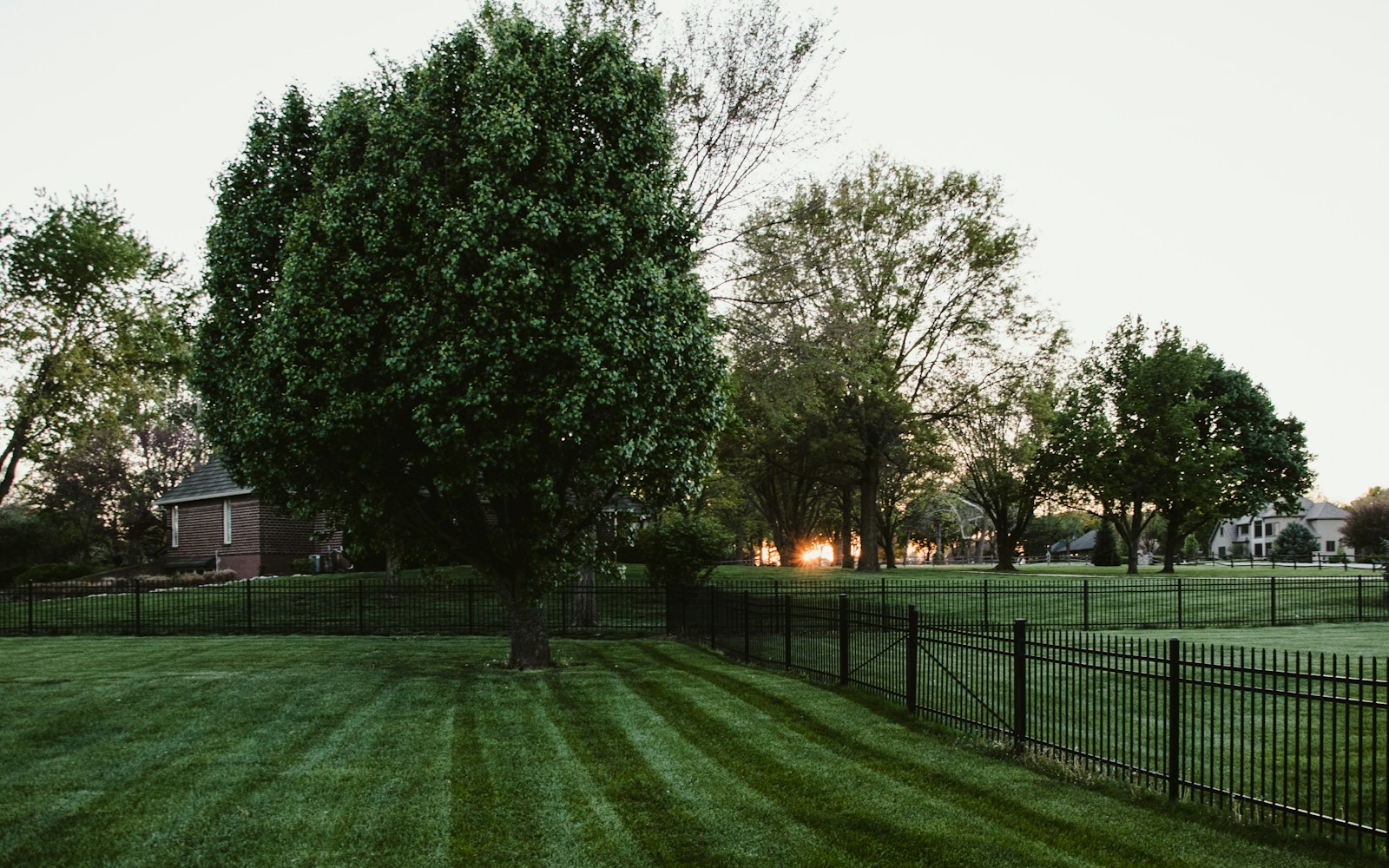
A lawn bordered by mature trees in evening light
A real garden setting. This photograph illustrates lawn care, not a particular state or grass species. Photo credits.

Know your grass and site

Turf-type tall fescue is a cool-season grass with a mainly bunch-forming habit. An established lawn and new seedlings need different watering routines.

Make the plan fit California

Choose your next action from the condition of the lawn, not from the state name alone. Record whether your yard is coastal, inland or at elevation, its sun exposure, and any current water restrictions. Use those notes when asking local Extension about establishment timing.

Choose your next step

Check the cause before choosing the job
If you notice…Check firstNext step
An inland lawn struggles in heatCheck the root zone and sprinkler coverage before buying seed.Delay a disruptive repair if you cannot support establishment through the weather ahead.
A coastal shaded area stays wetCompare it with open turf rather than extending all zones.Adjust the wet area independently where the system allows it.
You plan to reseed in fallRead the seed label and review recently used herbicides.Confirm a local establishment window and any reseeding interval before preparing the patch.

Mowing: check the actual cut

Use a setting within the recommendation for your cultivar and site, and measure the actual result. Do not scalp the lawn to imitate a low-cut warm-season turf. If you change height, photograph the same patch after a few cuts before deciding whether it helped.

Water: measure before adjusting

UC IPM explains that irrigation needs both a total amount and a workable schedule. If runoff starts before the planned amount reaches the roots, divide the watering into shorter cycles. Use the catch-cup calculator to translate an independently chosen water target into time.

Calculate lawn area or sprinkler runtime · Collect a useful soil sample

Avoid an unnecessary treatment

Drought tolerance does not mean that every tall fescue lawn stays green without irrigation. Before reseeding a repeatedly dry patch, decide whether the available water and site are suitable for the lawn you want.

Use the patch diagnosis checklist before choosing a treatment.

ONLY IF IT HELPS WITH THE JOB

A small, useful toolkit.

Start with what you own. These links open Amazon searches, not a tested-product ranking. As an Amazon Associate, we earn from qualifying purchases. Affiliate disclosure.

Measure irrigation output

Keep every catch-cup reading; uneven coverage can hide behind a reasonable average.

Search Amazon: Irrigation catch cups

Prepare a small seed repair

Choose a tool that suits the size and condition of the patch.

Search Amazon: Lawn rake

Measure the seedbed

Use the seed label with the actual area; exclude established turf you are not repairing.

Search Amazon: Outdoor measuring tape

Compare tools for a different task

Common questions

Is September always the right time to overseed in California?

No single month fits every microclimate. Confirm local timing, weather and your ability to keep new seedlings established before starting.

Will tall fescue spread into a large gap?

Its bunch-type growth makes reseeding a common repair for open areas. First correct the traffic, water or other problem that created the gap.

Sources and regional limits

These references support the care principles and regional examples above. Use your local Extension office for cultivar, soil and treatment advice. Product labels and local restrictions take priority over a calendar reminder.

How this guide was prepared. No on-site inspection or product performance test is implied.

KEEP IT BY THE GARDEN DOOR

Your year at a glance.

Keep a one-page copy of this guide’s monthly checkpoints.

COAST TO COAST GRASSJANUARY - DECEMBER / REUSABLE EACH YEAR

Tall Fescue in California

Identify your coastal, inland or higher-elevation setting and local water rules. No single grass is best across California.

Before you start: Weather overrides the month. Use favorable cool growth for repair; protect turf through heat, frost or saturation. Prepare water equipment before your first local freeze, even if earlier than shown.

  1. January

    Protect the surface

    Keep repeated traffic off frosted, frozen or saturated turf. Note where water collects.

    Check: Growing in a mild winter? Mow only as needed.

  2. February

    Prepare the kit

    Repair thin areas in a locally suitable seeding window.

    Check: Confirm the grass or seed mixture before ordering.

  3. March

    Watch the restart

    Inspect winter damage after thaw. Wait for firm ground before raking or mowing.

    Check: Use local weed timing; check any seeding restrictions.

  4. April

    Follow spring growth

    Mow at the local height for your grass. Check irrigation for leaks and blocked coverage.

    Check: Avoid heavy equipment on soft, wet soil.

  5. May

    Measure water

    Compare rain and irrigation with root-zone moisture. Check thin areas before buying treatments.

    Check: Feed only if the local nutrient plan calls for it.

  6. June

    Check inland heat

    Compare sprinkler coverage and root moisture before reseeding a weak area.

    Check: Wait if establishment conditions are unfavorable.

  7. July

    Check the dry spots

    Compare affected and healthy areas. Inspect sprinkler coverage before extending watering everywhere.

    Check: Avoid a warm-season summer feeding routine.

  8. August

    Plan a local repair

    Confirm your local seeding window, seed mixture and watering capacity.

    Check: Check recent herbicide reseeding restrictions.

  9. September

    Repair when ready

    Reseed thin areas only if weather and establishment care fit your location.

    Check: Coastal and inland conditions differ.

  10. October

    Keep light reaching turf

    Remove heavy leaf cover and mow while growth continues. Recheck repaired patches.

    Check: Late feeding or seeding depends on local guidance.

  11. November

    Wind down as needed

    Keep leaves from matting and protect wet turf. Winterize water equipment where freezing is expected.

    Check: Do not apply fertilizer to frozen or snow-covered soil.

  12. December

    Review the year

    Save photos, seed labels and your care log. Pick one recurring problem to investigate.

    Check: A mild site may still need mowing and moisture checks.

Cool-season, mainly bunch-forming

Repair thin areas in a locally suitable seeding window.

Avoid a warm-season summer feeding routine.

Use current local advice and product labels for treatments. New seed, sod and plugs need establishment care. This is a planning guide, not a monthly application schedule.

Sources: UC IPM: Tall fescue management tips · UC IPM: Tall fescue characteristics. Prepared September 24, 2026.

KEEP GROWING

A useful plan is one you can adapt. Return to your guide as the seasons change.

Find another lawn plan