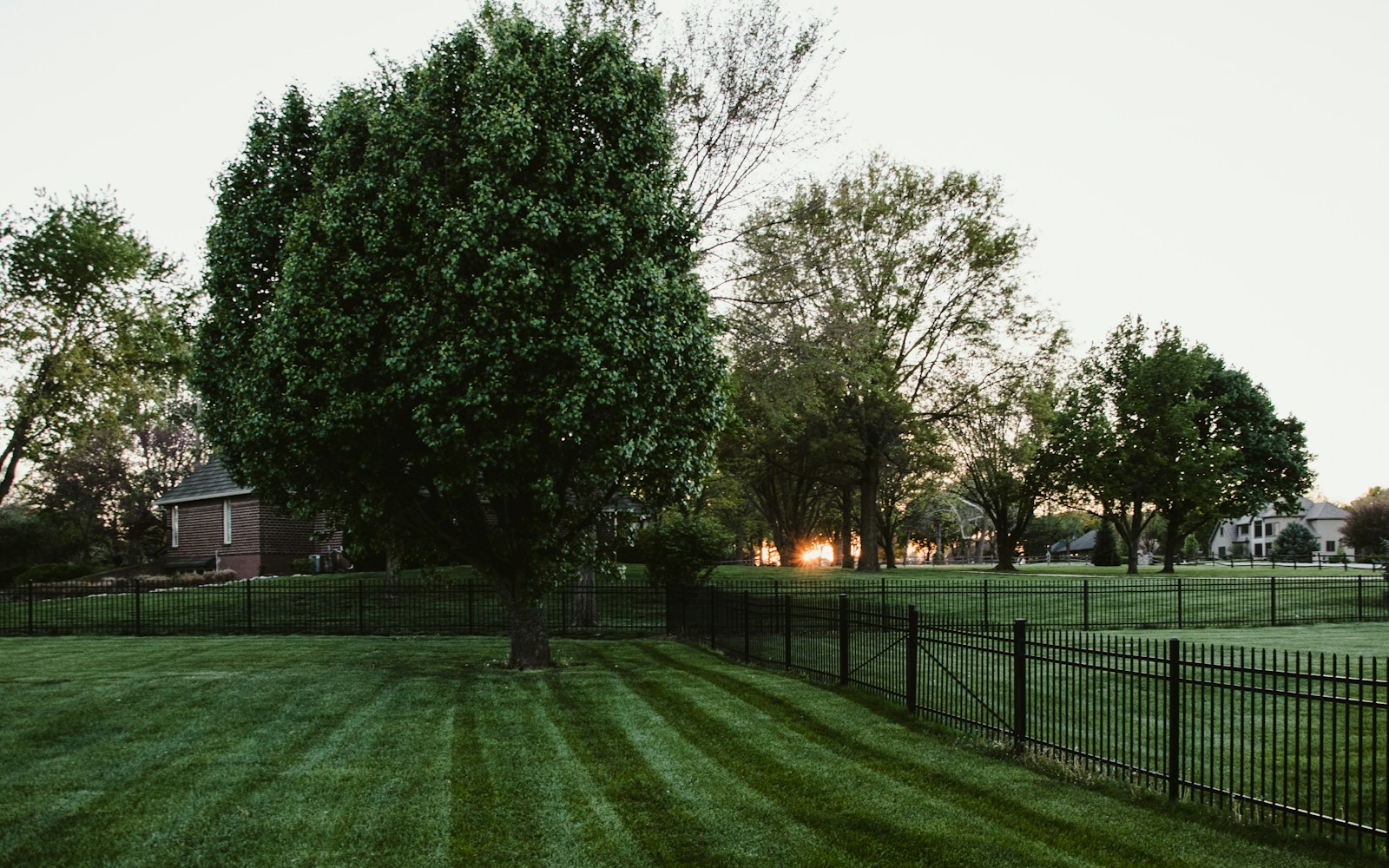
A coastal lawn can face more than one stress at once. A wind-exposed edge, sandy fill and irrigation water each deserve a separate note. Start by mapping which side of the lawn declines first and whether the pattern changes after storms or watering.
Identify the exposure
UF/IFAS compares turf species by salt tolerance as well as shade, wear and maintenance. A salt-tolerant grass is not automatically right for every coastal yard. Ask local extension which species or cultivars fit the combination of climate, sunlight and exposure at your site.
Choose the right analysis
If salinity is suspected, ask a laboratory which soil or irrigation-water tests are appropriate. Explain the water source and the visible problem. A basic soil fertility test may not answer the same question as a salinity assessment. Keep results labeled by area and date so future comparisons are meaningful.
Avoid an amendment reflex
Do not add gypsum or repeatedly flush the lawn without understanding the soil, water and drainage. Corrective options depend on the actual condition and whether water can move through the site appropriately. Before renovating, collect the site details a local turf specialist would need and compare the maintenance requirements of possible replacements. A photograph of a green coastal lawn elsewhere cannot tell you which grass will suit yours.
Coastal location alone does not justify a soil amendment or identify the correct grass.