FIELD GUIDE 01 / Tricky spaces

Lawn care in shade and around tree roots

Make peace with the trees. Find what can grow beneath them.

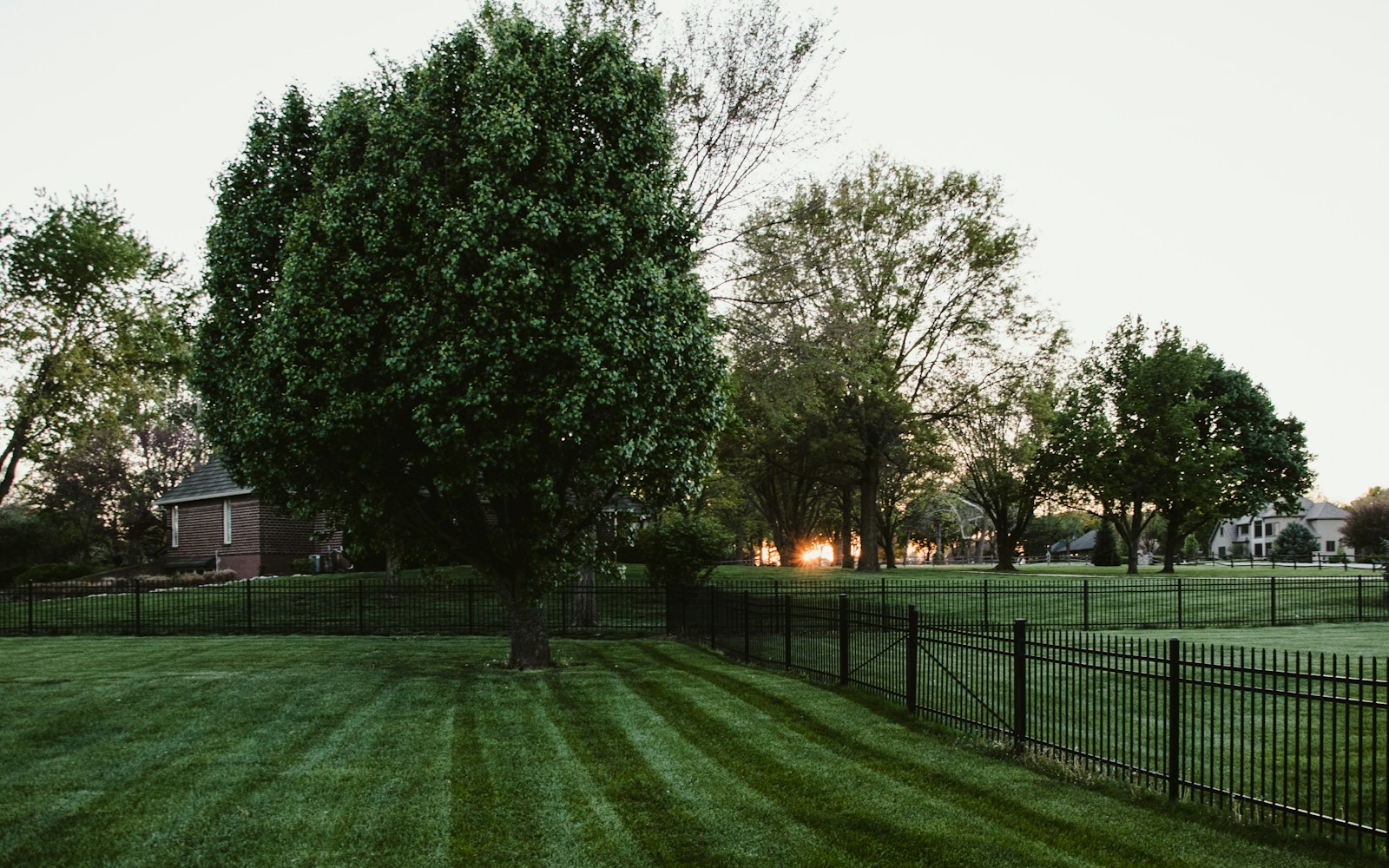
A lawn bordered by mature trees in evening light
A real garden setting. This photograph illustrates lawn care, not a particular state or grass species. Photo credits.
ONE QUESTION TO START WITH

Does grass disappear in the same shady spot every year?

Watch the light before buying another bag of seed.

A patch beneath a tree is a different growing space from the sunny middle of your yard. Start by deciding whether you need walkable turf there, or simply an attractive surface. That choice can save a cycle of reseeding and disappointment.

Map the light, then the traffic

Photograph the patch in the morning, at midday and in the afternoon while the tree is in leaf. Mark the route people and pets actually take. Penn State describes both limited light and competition from trees as obstacles to turf. Seed cannot remove either constraint.

Give suitable grass a fair trial

Identify your existing grass, then ask your local extension service which shade-tolerant options fit your climate. Reduce unnecessary traffic and avoid automatically giving the shaded patch the same irrigation as full sun. Keep a small trial area so you can compare its density through the growing season.

Know when to change the surface

Where light stays inadequate, sketch a bed or a suitable shade groundcover instead. Keep soil and mulch away from the trunk flare, and avoid cutting large roots or burying them to create a smooth lawn. A tree-care professional can assess root or canopy work. The goal is a deliberate edge between lawn and tree area, not turf at any cost.

TAKE IT INTO THE YARD

Your next three steps

  1. Record the hours of direct light with leaves on the tree.
  2. Separate a worn walking route from a low-light patch.
  3. Choose one small test area and photograph it monthly.
A common wrong turn

Do not assume a bag labeled “shade mix” suits every state or every level of shade.

KEEP IT BY THE GARDEN DOOR

Your year at a glance.

Keep a one-page copy of this guide’s monthly checkpoints.

COAST TO COAST GRASSJANUARY - DECEMBER / REUSABLE EACH YEAR

A lawn in the shade

Plan a thin, shady lawn around actual sunlight, tree roots and traffic. Learn when to adjust grass care and when to choose another groundcover.

Before you start: Use months as reminders; local weather, grass growth and establishment stage take priority. Move freeze preparation ahead of your first local freeze, even if earlier than shown.

  1. January

    Map the space

    Mark tree trunks, recurring bare areas and the routes people use.

  2. February

    Choose a test patch

    Plan one small trial; deep shade may be better as a bed or path.

  3. March

    Watch spring light

    Photograph morning, midday and afternoon light as foliage changes.

  4. April

    Protect roots

    Avoid filling over or cutting major roots to create a smoother lawn.

  5. May

    Measure leaf-on shade

    Where trees are in leaf, record direct sunlight on the struggling patch.

  6. June

    Separate water needs

    Compare shaded soil with sunny turf before changing irrigation.

  7. July

    Reduce wear

    Reroute repeated play or walking across thin shaded grass.

  8. August

    Plan suitable repair

    Ask locally which grass or alternative groundcover fits your light and climate.

  9. September

    Test in season

    Repair the trial only if your grass has a favorable establishment window.

  10. October

    Manage leaf cover

    Remove heavy accumulations gently; avoid damaging exposed roots.

  11. November

    Compare the trial

    Photograph density and wear against the untreated area.

  12. December

    Choose next year’s surface

    Keep suitable turf; plan a deliberate bed or path where grass repeatedly fails.

Observe the cause

Choose the right growing window

Keep a short photo and care log

Use current local advice and product labels for treatments. New seed, sod and plugs need establishment care. This is a planning guide, not a monthly application schedule.

Sources: Penn State Extension · Growing turf under shaded conditions. Prepared September 24, 2026.

MATCH THE TOOL TO THE TASK

Learn a new lawn.

As an Amazon Associate, we earn from qualifying purchases. Product links open specific Amazon listings; links labeled “search” open results for a tool type. These are researched options, not hands-on-tested rankings. How we use affiliate links.

Start with the measurements that make later purchases more accurate.

Borrow tools where practical. Identify the grass before buying treatments or repair material.

TOOL-TYPE SEARCH

Outdoor measuring tape

Measure actual turf, leaving out patios and beds, before buying seed or calculating applications.

Search Amazon options
TOOL-TYPE SEARCH

Rain gauge

Choose clear markings and a stable mount. Keep it away from roofs and sprinkler spray when measuring rainfall.

Search Amazon options
TOOL-TYPE SEARCH

Soil sampling probe

A clean trowel may be enough. Follow the receiving lab’s sampling depth and container instructions.

Search Amazon options
A different job? Find suitable tools

Sources & local context

This guide combines an editorial planning checklist with the extension and agency resources below. Regional recommendations need to fit your state, grass and site. It is not a report of an on-site inspection or product test.

Connect it to your lawn

Find your state and grass plan to put this topic into your local growing season.