South Carolina · Centipede Grass

South Carolina Centipedegrass Care & Monthly Calendar

Centipedegrass needs a restrained routine. Start with mowing height and a soil test, then let spring growth and your part of South Carolina set the pace.

START HERE / THE PRACTICAL ANSWER

Three things to know.

Mowing
Clemson’s usual range is 1–2 inches; site conditions can call for the higher end.
Soil
Clemson gives a preferred pH of 5.5–6.0. Test before adding lime or sulfur.
Feeding
Avoid automatic early-spring or fall nitrogen. Use a centipedegrass-specific recommendation.
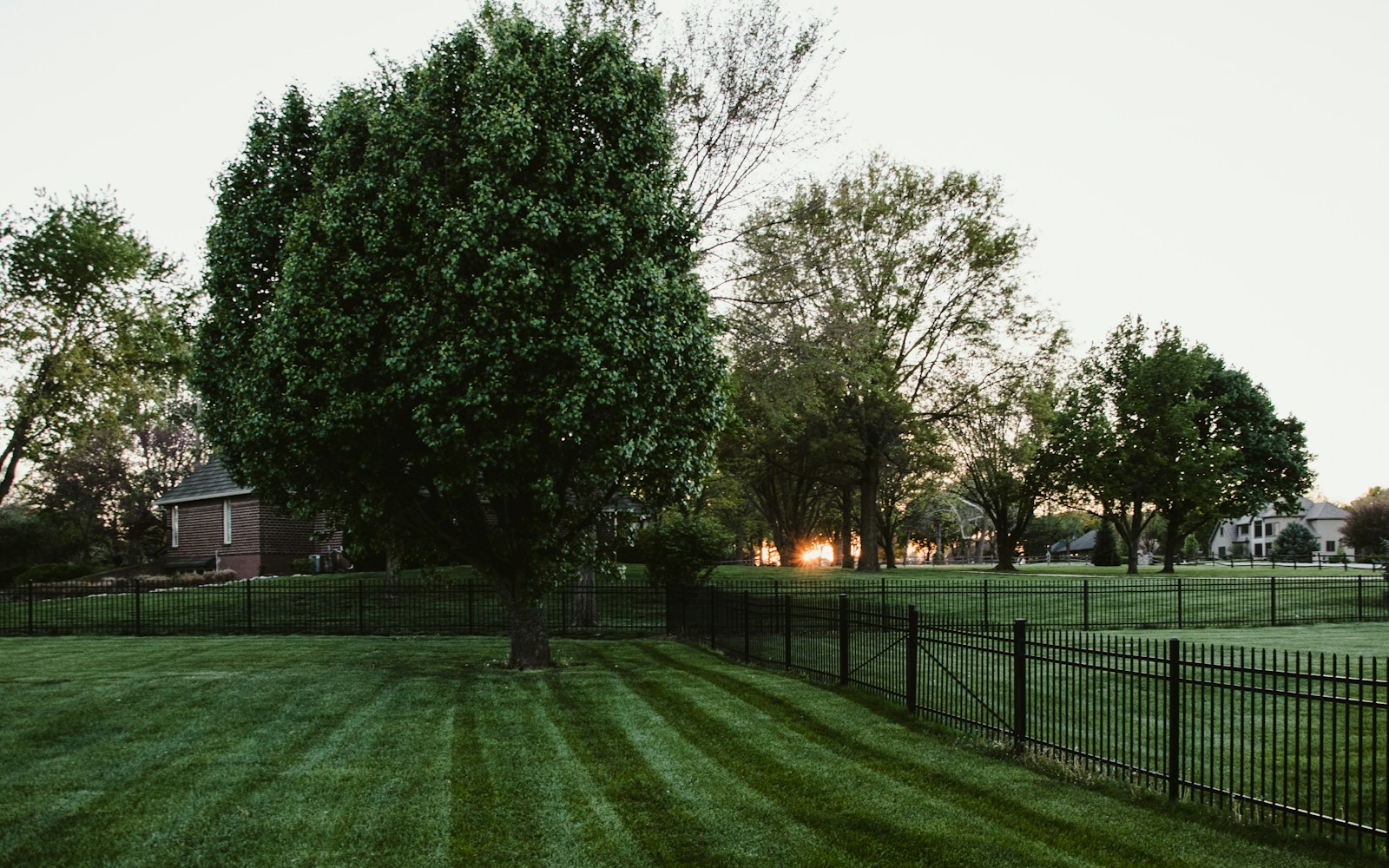
A lawn bordered by mature trees in evening light
A real garden setting. This photograph illustrates lawn care, not a particular state or grass species. Photo credits.

Know your grass and site

Centipedegrass is a warm-season, relatively low-fertility turf. Its naturally lighter green appearance does not mean it needs the nitrogen program used on bermudagrass.

Make the plan fit South Carolina

Clemson notes that frost timing can differ by weeks between the coast and Upstate. Write down your own sustained green-up date. A coastal neighbor’s calendar is a useful comparison, but it is not evidence that an inland lawn is ready.

Choose your next step

Check the cause before choosing the job
If you notice…Check firstNext step
The grass looks paleCompare the color with healthy centipedegrass and read the soil report.Do not chase a dark bermudagrass color with repeated nitrogen.
Green-up is patchyPhotograph the pattern and compare drainage, shade and exposure.Keep a short record before choosing a product; several problems can look alike.
A soil amendment is suggestedCheck the laboratory’s target, product and amount for this lawn.Do not apply lime simply because it appears on a generic spring checklist.

Mowing: check the actual cut

Check the lawn after each height change. If the cut exposes soil or scalps uneven spots, return to the previous suitable setting. Keep a photo of the result so the next adjustment is based on the lawn rather than memory.

Water: measure before adjusting

Check the root zone as well as the surface. Separate a shaded area that stays wet from an exposed dry patch. A timer controls duration; it does not tell you whether either area needs water.

Calculate lawn area or sprinkler runtime · Collect a useful soil sample

Avoid an unnecessary treatment

Avoid purchasing a combined weed-and-feed as the default first step. Weed control and nutrition are separate decisions, and any herbicide must be labeled for centipedegrass and the actual conditions.

Use the patch diagnosis checklist before choosing a treatment.

ONLY IF IT HELPS WITH THE JOB

A small, useful toolkit.

Start with what you own. These links open Amazon searches, not a tested-product ranking. As an Amazon Associate, we earn from qualifying purchases. Affiliate disclosure.

Collect a useful soil sample

Check the lab’s sampling instructions; a clean hand tool may be enough.

Search Amazon: Soil sampling probe

Track a dry stretch

Record rainfall before deciding to run irrigation.

Search Amazon: Rain gauge

Measure the area to treat

Measure turf separately from beds and paving before calculating an application.

Search Amazon: Outdoor measuring tape

Compare tools for a different task

Common questions

Does light-green centipedegrass need more fertilizer?

Color alone cannot establish a deficiency. Check the species, growing conditions and soil recommendation before adding nutrients.

Should I copy a coastal spring date in the Upstate?

Use your local frost outlook and observed growth. The calendar is a planning aid, not an instruction to fertilize dormant grass.

Sources and regional limits

These references support the care principles and regional examples above. Use your local Extension office for cultivar, soil and treatment advice. Product labels and local restrictions take priority over a calendar reminder.

How this guide was prepared. No on-site inspection or product performance test is implied.

KEEP IT BY THE GARDEN DOOR

Your year at a glance.

Keep a one-page copy of this guide’s monthly checkpoints.

COAST TO COAST GRASSJANUARY - DECEMBER / REUSABLE EACH YEAR

Centipede Grass in South Carolina

Clemson’s calendar is regional guidance; adjust for your coast, Midlands or Upstate site and the current year.

Before you start: Weather overrides the month. Repair during active warmth; reduce work as growth slows. Prepare water equipment before your first local freeze, even if earlier than shown.

  1. January

    Check winter conditions

    Protect frosted or saturated turf. Check moisture during extended dry weather.

    Check: Cold-weather browning alone is not a call for nitrogen.

  2. February

    Prepare for growth

    Use grass-specific soil and fertility guidance.

    Check: A warm spell does not prove sustained green-up.

  3. March

    Watch the green-up

    Record growth and cold spells in your part of South Carolina.

    Check: Avoid early nitrogen on dormant centipedegrass.

  4. April

    Wait for steady growth

    Resume mowing as needed at a cultivar-suitable height. Inspect irrigation coverage.

    Check: Nitrogen and coring need suitable active growth, not a date.

  5. May

    Use the soil report

    Review grass-specific pH and nutrient advice as active growth returns.

    Check: Do not add lime or sulfur without a recommendation.

  6. June

    Use the growing window

    Mow by growth. Core compacted areas only if needed and the lawn can recover.

    Check: Avoid saturated or drought-stressed soil.

  7. July

    Watch heat and water

    Check rainfall, root moisture and sprinkler coverage. Adjust care to the lawn’s actual response.

    Check: Do not copy a high-nitrogen bermudagrass program.

  8. August

    Leave recovery time

    Inspect wear and thinning. Plan remaining repairs only if enough warm growing time remains.

    Check: Do not begin major work as growth is shutting down.

  9. September

    Ease toward autumn

    Check moisture and maintain an appropriate cut as growth slows.

    Check: Do not add routine fall nitrogen.

  10. October

    Protect the leaf cover

    Clear heavy leaves and monitor moisture. Keep traffic off frosted turf where frost occurs.

    Check: Brown color may be dormancy; diagnose patches separately.

  11. November

    Adjust to the site

    If growth has slowed, reduce inputs. Winterize irrigation where freezing is expected.

    Check: In frost-free areas, follow continued growth and rainfall.

  12. December

    Keep a useful record

    Record this year’s green-up, repairs and water use. Inspect dry or repeatedly wet areas.

    Check: Do not assume every warm-season lawn is dormant now.

Naturally lighter green

Use grass-specific soil and fertility guidance.

Do not copy a high-nitrogen bermudagrass program.

Use current local advice and product labels for treatments. New seed, sod and plugs need establishment care. This is a planning guide, not a monthly application schedule.

Sources: Clemson Extension: Centipedegrass yearly maintenance · USDA: Land-grant university directory. Prepared September 24, 2026.

KEEP GROWING

A useful plan is one you can adapt. Return to your guide as the seasons change.

Find another lawn plan